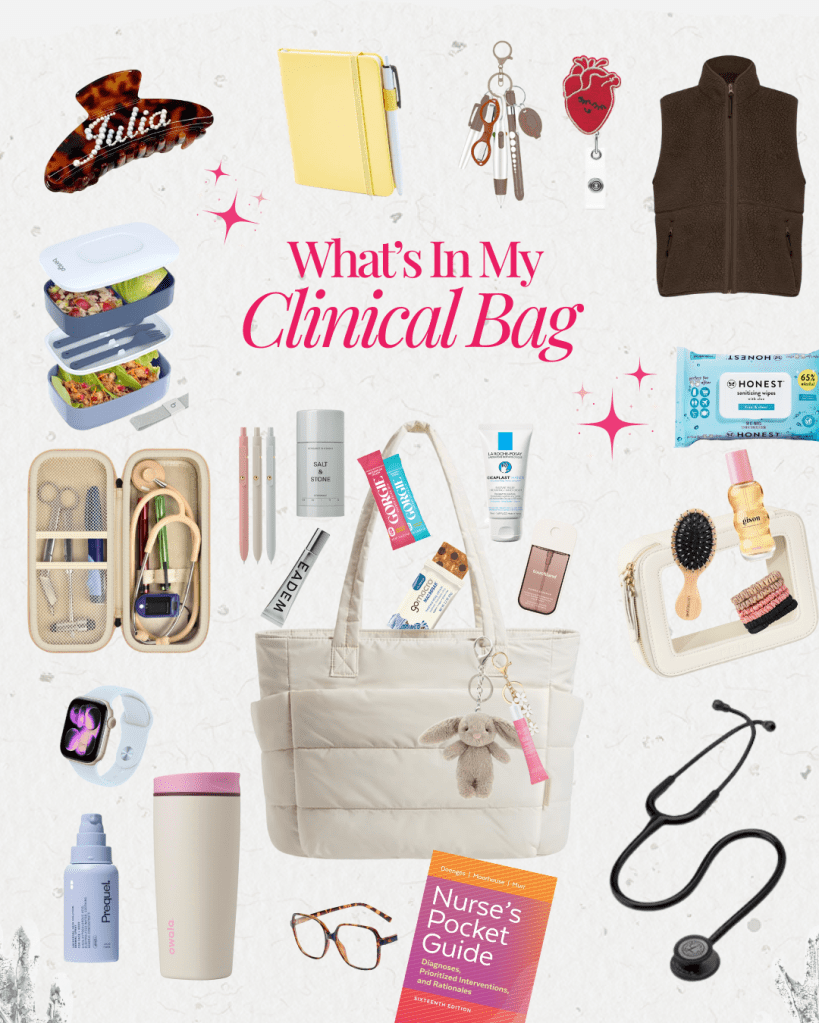
Starting clinicals can feel overwhelming — especially when you’re trying to figure out what you actually need versus what just looks good on TikTok. After working in hospitals for years + a few semesters of trial, error, and learning the hard way, this is my honest nursing clinical essentials list.
Everything here is something I genuinely use or bring to clinicals. No overpacking (okay maybe a little, but in a good way), no unnecessary extras — just things that make long days more manageable and let a little personality show through.
Choosing a Clinical Bag
Starting with a bang. Picking the right clinical bag is honestly more strategic than it sounds. You want something that’s easy to access, fits what you actually carry, and doesn’t look like you’re hauling your entire dorm room around.
For me, a tote bag hits that sweet spot. It’s roomy but structured, easy to get in and out of, and pairs well with a backpack if you’re carrying textbooks, laptops, or extra gear. On days when I do need more, a tote works alongside my backpack without feeling bulky or awkward.
My favorites
- BagSmart Totes — These are great affordable options. They’re sturdy, well-organized inside, and don’t scream “nursing bag,” which I like for both clinicals and everyday use.
- Lululemon Tote — If you’re looking to splurge, this one is worth it. The material is durable, the straps are comfortable, and it feels really polished when you’re carrying it every day.
Quick tips for choosing yours
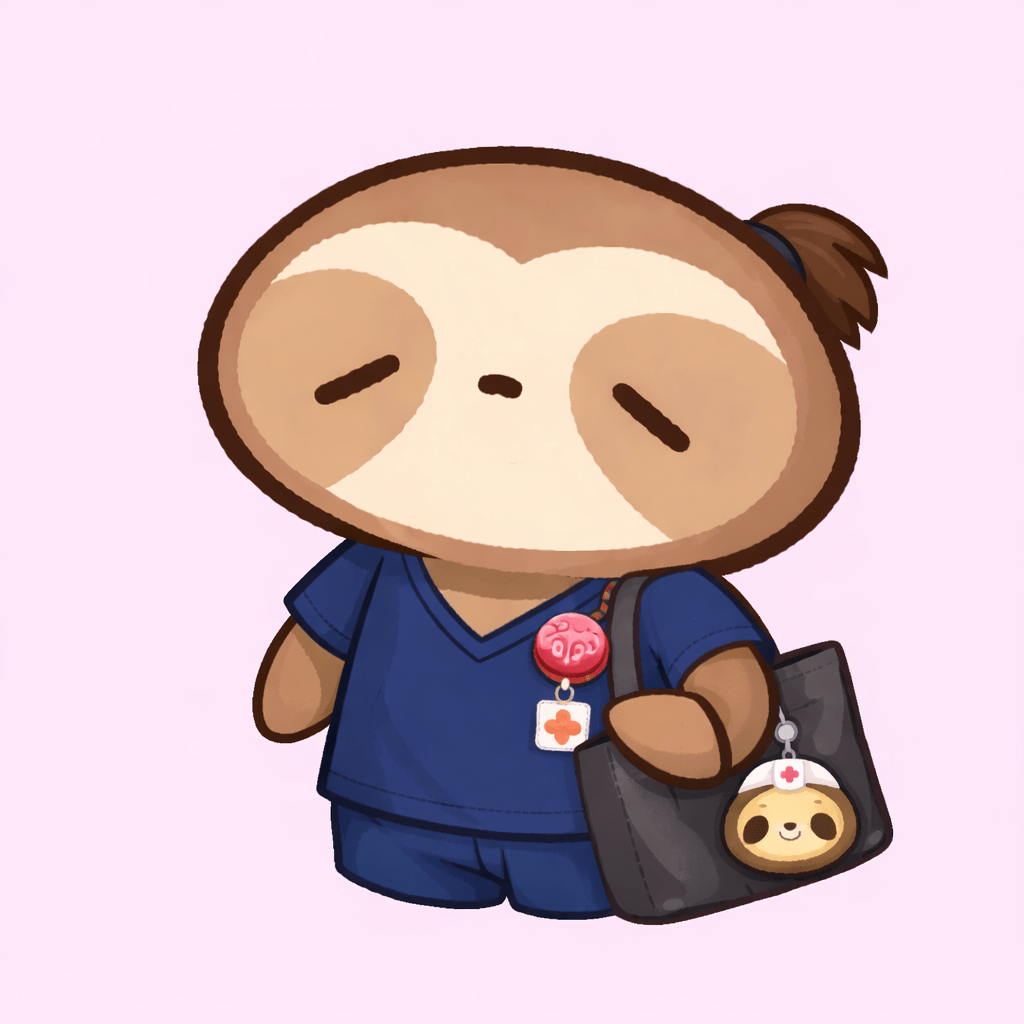
- Size matters: You should be able to fit your lunch, stethoscope case, notebook, cosmetic pouch, and whatever else you bring — without it being so big that everything gets lost at the bottom.
- Compartments are your friend: Internal pockets make it easier to find things quickly when you’re in a hurry.
- Easy to clean: Clinical days get messy. A material that wipes down or machine-washes makes life easier.
- Style that works everywhere: You don’t want a bag that only works in clinicals. Something multipurpose means you can use it for study days, shifts, or weekends too.
Underscrubs & Uniform Add-Ons
A fun underscrub is one of the easiest ways to spice up your school’s very mundane, mandatory scrubs. You’re still following dress code, but it feels a little more you, which honestly helps more than you’d think on long days.
Essentials:
- Fun or neutral underscrub tops (school-approved colors)
- Lightweight long sleeves for colder units
- Vests and fleeces (super easy thrift finds!)
Shoes & Compression (non-negotiables)
Supportive shoes are essential. My personal favorites are HOKA and Brooks. Bonus points to HOKA because they have waterproof options — which I genuinely think are worth the splurge. Dry socks alone can change your entire mood.
Compression socks are all the talk in the nursing world and you don’t want to be caught with naked legs.They really do help with long hours on your feet, and there are so many cute options now.
My go-tos:
- HOKA supportive sneakers (waterproof style is worth the splurge)
- Brooks supportive sneakers for long shifts
- Bombas compression socks
- Vix compression socks
- Wellow compression socks
Accessories That Actually Help
Blue light glasses are great if you’re looking at a screen a lot — especially when charting in systems like EPIC. They also double as another subtle way to add personality to clinical scrubs.
Silk hair ties are another underrated essential. It’s better to have your hair back, and silk ties are much less damaging than regular elastics. I always keep extras in my bag.
Worth having:
- Blue light glasses
- Silk hair ties or claw clips
Food & Fuel for Long Clinical Days
Packing your own food makes a huge difference. Hospital cafeterias aren’t always convenient or appealing, and breaks can be unpredictable.
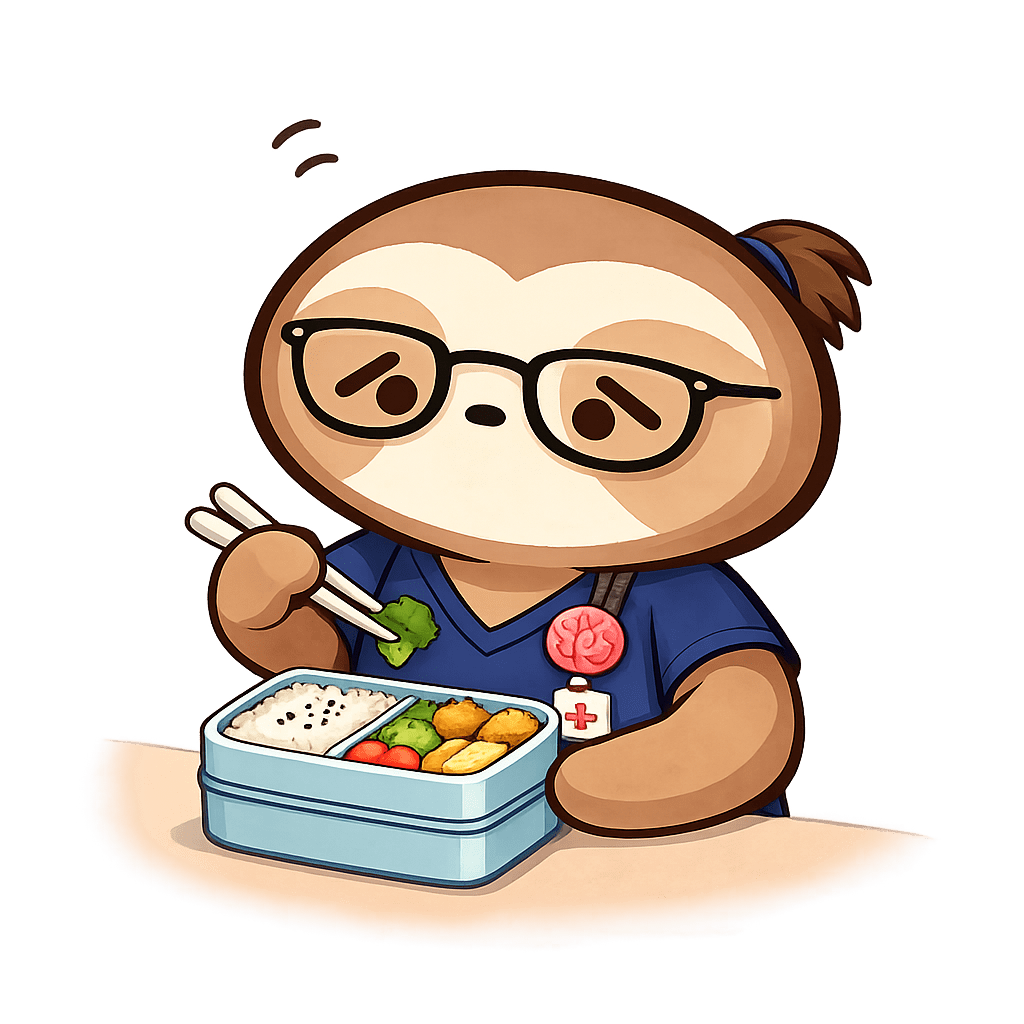
Bento boxes are my favorite because they’re compact, organized, and much easier to squeeze into a crowded unit fridge than bulky containers.
Energy drink packets (like Gorgi) are one of my favorite “just in case” items. You don’t have to carry a full carbonated can in your bag getting tossed around all day, but you still have caffeine if you need it. They take up almost no space and don’t spill.
What I bring:
- Bento-style lunch box
- Reusable water bottle
- Easy, high-energy snacks
- Energy drink packets
While I LOVE me some chips and candy, but it does end up coming to bite me when the midday slump hits.
Watches & Time-Keeping
An Apple Watch is great — but it’s not required. I’ll be honest: my $20 Amazon watch has never failed me. You don’t need the fanciest option for it to be useful during clinicals. It could be your granny’s watch from the 30s as long as it has a functioning second hand.
Options:
- Apple Watch
- Affordable wrist watch (budget-friendly and reliable)
Skin, Hands, & Hair (hospital air is brutal)
The hospital air is so dry, and constant hand hygiene really adds up. Lip treatments and hand creams are absolute musts if you don’t want to feel uncomfortable halfway through your shift.
Hypochlorous acid spray (like Prequel) is one of my favorite low-effort disinfecting tools. It’s gentle, effective, and great when you just want to feel clean again without overdoing it.
Body wipes are another lifesaver — especially if you’re going somewhere right after clinicals. I’ve absolutely been saved during a clinical-to-bar transition by stealing bath wipes from the unit… so yes, that is always an option too.
A mini brush is wonderful for taming the inevitable rat’s nest that accumulates by the end of the day. You can’t turn, wipe, and boost all day without earning a little frizz.
Hair oil is another underrated essential. It turns mysterious hospital grease that appears inevitably into a purposeful slick-back look while actually helping your hair.
Reset essentials I swear by:
- Lip balm or lip treatment
- Hand cream
- Hypochlorous acid spray
- Body wipes (or unit bath wipes in emergencies)
- Mini hair brush or comb
- Lightweight hair oil
Organization & “Save Yourself Later” Items
A mini notepad in your scrub pocket is essential. You never want to be caught without paper when the moment comes that you need it — because it will come.
I also love a stethoscope case. It keeps all my little tools together and prevents my stethoscope from getting crusty. Trust me. As someone who kept hers loose in the bottom of her bag for a semester, it’s worth it. Once I pulled it out and found an old pimple patch stuck to it. That was my wake-up call.
Highly recommend:
- Mini pocket notepad
- Stethoscope case
Pocket Guides & Quick References
Last but not least: a nursing pocket guide. These are incredibly helpful, especially early on when you’re still building confidence.
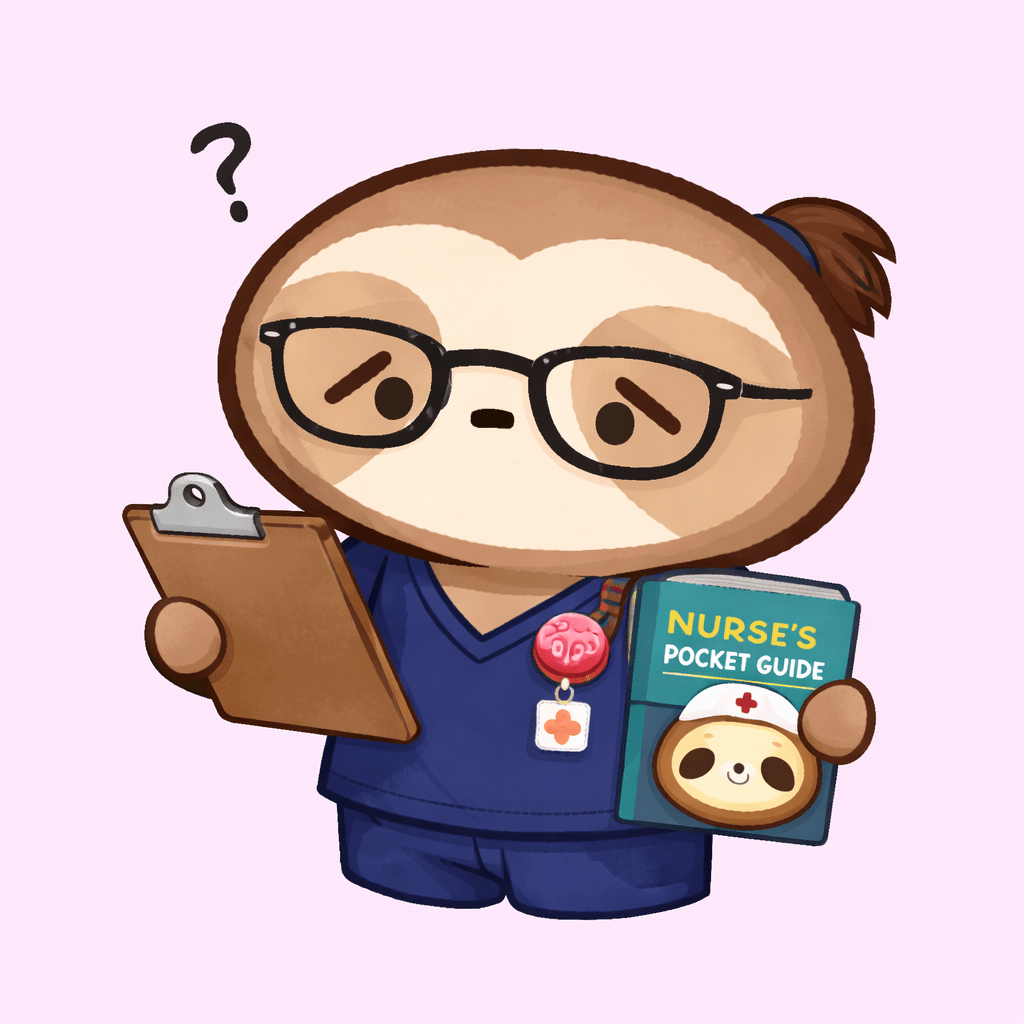
I really like Nurse’s Pocket Guide as a quick reference — it’s clear, practical, and actually useful in the dreaded care planning. Lippincott Pocket Drug Guide is another great option, especially if pharmacology wasn’t your strong suit.
Having something small you can flip through (when appropriate) makes you feel less lost and more prepared — which matters a lot in clinical settings.
Worth carrying:
- Lippincott Pocket Drug Guide for Nurses
- Nurse’s Pocket Guide: Diagnoses, Prioritized Interventions, and Rationales
Personal Touches (because you’re still a person)
Bag charms and badge reels are such an easy way to bring individuality into clinicals. I have a brain badge reel as a nod to my undergrad in neuroscience before starting my nursing master’s program.
It’s actually sparked so many conversations with patients and coworkers — and I’m kind of known as “the brain girl” on the floors I work on. I love having something that reflects where I started and why I’m here.
Fun but meaningful:
- Badge reels (themed or personal)
- Bag charms or keychains
Final Thoughts (as if this wasn’t enough of my thoughts)
You don’t need everything. Focus on what actually supports you during long days — physically, mentally, and emotionally. Clinicals are demanding enough without overpacking or trying to be “perfect.”
Start simple. Adjust as you go. And let yourself add a little personality where you can.
A reminder from a student nurse moving at a reasonable pace:
you’re allowed to choose what works.
— sloth in scrubs 🦥
 slothinscrubs
Leave a comment